Understanding the Health Risks of Asbestos in Older Homes
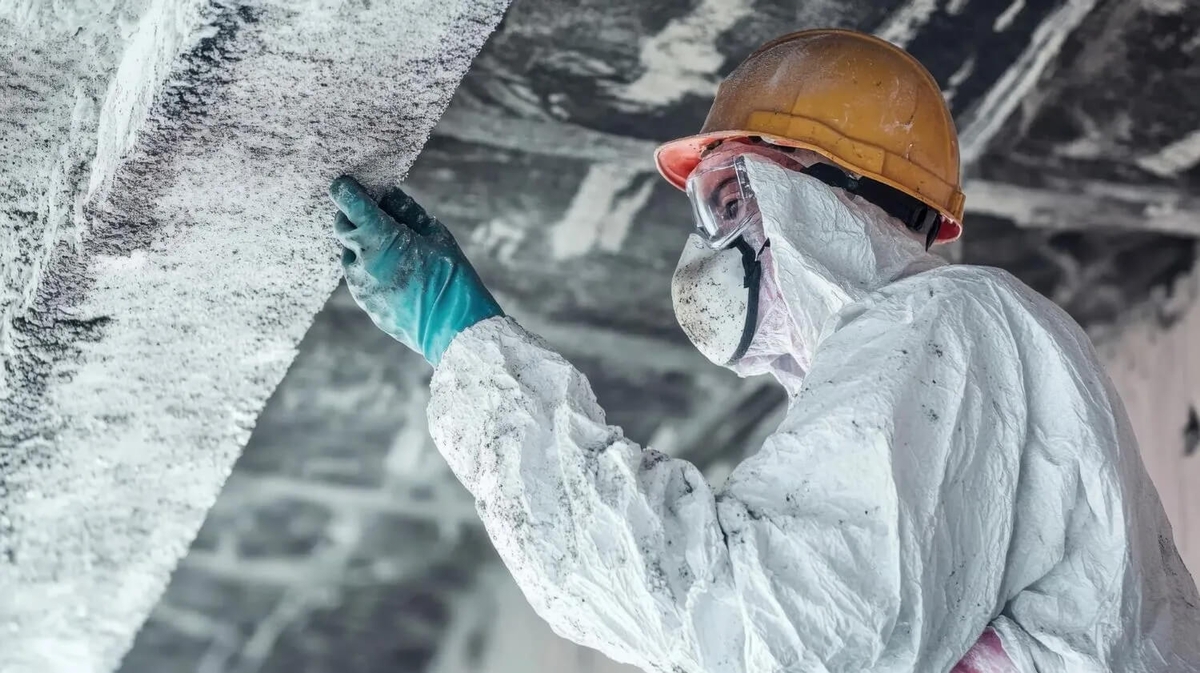
Asbestos was once widely praised in the construction industry for its fire-resistant and insulating properties. However, many older homes still contain asbestos today, posing hidden health risks to occupants. Families living in these properties may be unknowingly exposed over time.
Understanding asbestos and its dangers is essential for anyone living in or caring for an older home. When disturbed, asbestos fibers can become airborne and inhaled, leading to serious long-term health issues. Early identification and professional handling are critical to protecting your home and family.
Addressing asbestos is more than routine maintenance—it is about ensuring a safe and healthy living environment. With proper awareness and action, homeowners can effectively reduce these risks and gain peace of mind.
What is Asbestos and Where is it Found?
Asbestos is a naturally occurring mineral composed of strong, heat-resistant fibers. It was commonly used in building materials, particularly in homes constructed before the 1980s, due to its durability and fireproofing qualities. Unfortunately, what was once considered an ideal building material is now known to be a serious health hazard.
In older homes, asbestos may be found in several areas, including:
- Insulation in attics and walls
- Roofing shingles and underlayment
- Floor tiles and vinyl flooring
- Ceiling tiles and textured coatings
- Exterior siding materials
These materials are generally safe when left intact. However, when they become damaged, cut, or deteriorated, they can release asbestos fibers into the air. Knowing where asbestos may be present is especially important when planning renovations or repairs.
Disturbing asbestos-containing materials during home improvement projects can significantly increase health risks, making proper awareness and caution essential.
Health Risks Associated with Asbestos Exposure
Asbestos fibers pose serious health risks when inhaled. Their microscopic, sharp structure allows them to become lodged deep within lung tissue, where they can cause long-term damage.
Exposure to asbestos has been linked to several severe diseases, including:
1. Mesothelioma: A rare and aggressive cancer affecting the lining of the lungs, chest, or abdomen.
2. Asbestosis: A chronic lung condition caused by scarring of lung tissue, resulting in difficulty breathing.
3. Lung Cancer: Long-term exposure significantly increases the risk of developing lung cancer.
Symptoms of asbestos-related diseases may take years or even decades to appear. Common signs include shortness of breath, persistent coughing, and chest pain.
If you believe you have been exposed to asbestos, seek medical attention promptly. Early diagnosis can help manage symptoms and improve long-term outcomes.
Identifying Asbestos in Your Home
Identifying asbestos begins with understanding where it is most likely to be found. While visual clues may raise suspicion, asbestos-containing materials should never be disturbed.
Older homes commonly contain asbestos in floor tiles, roofing materials, insulation, and pipe coverings. Pipes wrapped in a white or gray fibrous material are also potential sources.
The only reliable way to confirm asbestos is through professional testing. Certified specialists can safely collect samples without releasing fibers into the air. Attempting to inspect, remove, or repair suspected materials on your own can be dangerous.
If you suspect asbestos in your home, contact a licensed professional to evaluate the materials and recommend next steps. This ensures both safety and compliance with regulations surrounding hazardous materials.
The Role of Professionals in Safe Asbestos Removal
Asbestos removal should always be handled by trained professionals. Experts follow strict safety protocols to ensure materials are removed and disposed of without exposing occupants to harmful fibers.
This process includes the use of protective equipment, sealed containment zones, and specialized air filtration systems to prevent contamination.
Professional removal also ensures compliance with local and federal safety regulations. Trained technicians can identify all asbestos-containing materials and remove them in a controlled, systematic manner.
By working with qualified specialists, homeowners can ensure the process is handled safely, efficiently, and with minimal disruption.
Conclusion
Understanding and addressing asbestos risks in older homes is essential for maintaining a safe living environment. With proper knowledge and professional support, these hidden dangers can be effectively managed.
If you suspect asbestos in your home, contact Faulkner Restoration. Our experienced team provides safe, reliable solutions to address asbestos concerns and restore peace of mind.
Reach out to our damage restoration company today to help ensure your home remains safe for years to come.