What to Do If a Pipe Bursts: A Homeowner's Emergency Checklist
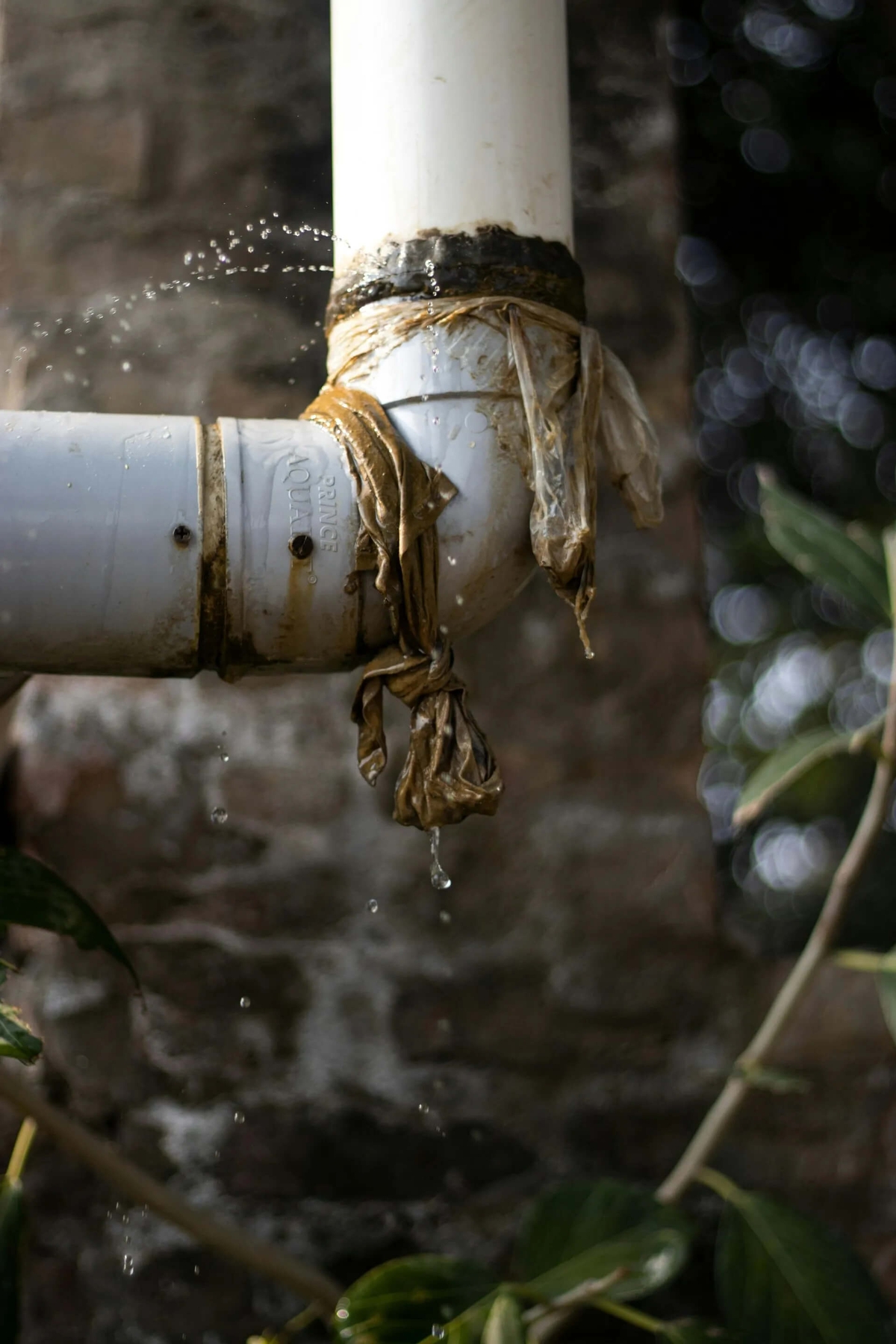
The winter season may bring holidays and snow, but it’s also one of the most critical times for homes at risk of water damage. Pipe bursts can cause things to go from calm to emergency in the blink of an eye, and it’s important to act fast. Here’s a homeowner’s emergency checklist for what to do if you’re ever facing a burst pipe.
First, let’s understand why pipes burst in the first place. Water expands when it freezes, and if that water has no room to expand, it creates immense pressure. In many cases, pipes carrying water do not offer enough room for the water ice to expand, and the pressure created due to the lack of space is enough to cause pipes to burst at their connection points, causing water damage. Whether it’s a small leak or a flood, water intrusion is no joke; within just 24-48 hours, mold can settle in. That’s why it’s so critical to act with speed, and to call the right people. Here’s what the first 30 minutes of reaction to a pipe burst should look like:
Step One: Shut off the water.
This is the most critical step, as every second water flows in, it causes more damage, requires more repairs, and increases the risk of mold. Shut off your home’s main water supply. If you don’t know where your water main is located, or cannot access it, call your utility company. Once the water is shut off, open faucets to relieve pressure and drain remaining water. If water is near any electrical outlets or appliances, make sure to shut off power at your breaker box as well.
Step Two: Call a Licensed Plumber
Once the water is shut off, call your local plumber. Let them know what’s broken, to the best of your ability, and, once on the scene, ask if any additional pipes are at risk due to freezing. A licensed plumber can repair or replace the broken pipe. Remember to keep any receipts and documentation for insurance purposes. An important detail is that a plumber will only fix your plumbing, and not the damage caused by water. That’s why the next step is so critical.
Step Three: Call a Water Damage Remediation Professional
Do not wait until after the pipe is fixed to call, a professional water technician can begin water extraction immediately if the situation requires. In fact, it is recommended that you call a water damage professional immediately after calling a plumber. A professional remediator can dry the hidden moisture that gets trapped inside materials like wood and drywall, and can prevent mold growth before it begins. Early action within the first 24 hours can effectively prevent mold.
Step Four: Document Everything
Before cleanup begins, make sure to take photos and videos of affected areas. Make sure to note the time you discovered the burst. If you file a claim, this documentation will help ensure the process goes smoothly. Your agent might just thank you, too. Seriously, the more you can document and prove, the faster things can move on the paperwork side.
Even though a pipe burst can be scary, taking the right steps can ensure that you get back to normal as fast as possible. Make sure to call trustworthy companies, and avoid relying on DIY mistakes, like trying to rely on fans, delaying professional drying, or ignoring “minor” water damage. Mold can spread fast, and a little moisture can go a long way, spreading under floors and into walls. Calling professionals as soon as possible is always a smart idea, and a remediation professional can inform you of hidden moisture or other at-risk areas before they become your next emergency. If you’ve experienced a pipe burst, call the professionals at Faulkner Restoration anytime, and rest easy.